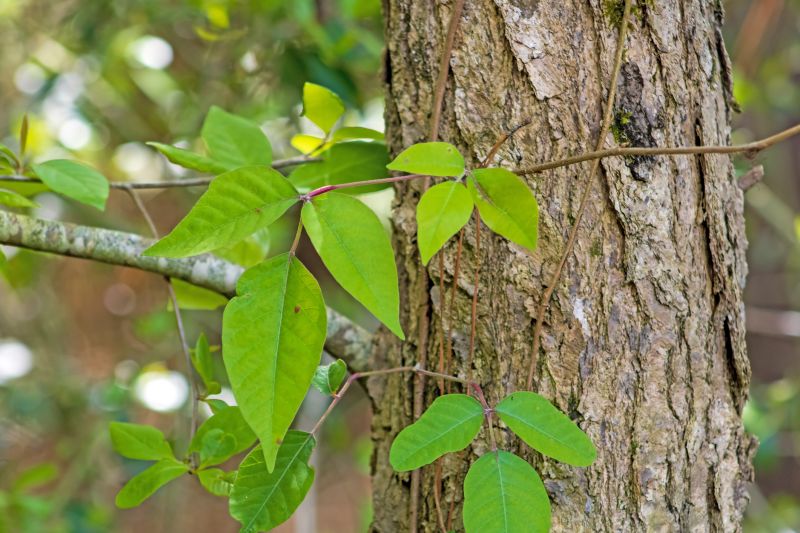
Poison Oak Removal in Bucks County, PA
Poison oak removal services are designed to safely eliminate this hazardous plant from residential properties, helping homeowners maintain a safe outdoor environment. These services typically cover projects such as clearing poison oak from yards, garden areas, fences, and around outdoor structures. Property owners often seek removal to prevent skin irritation, especially if children or pets frequent the area, or to improve the overall appearance of the landscape by removing invasive plants that can spread quickly if left unmanaged.
Before requesting poison oak removal, property owners usually want to understand the scope of the work involved, including the methods used to safely identify and eradicate the plant. It’s also helpful to know whether the removal process includes disposal of the plant material to prevent regrowth or spreading. Clarifying these details can ensure the project aligns with safety needs and landscape goals, providing peace of mind during the process of making outdoor spaces safer and more enjoyable.
Many property owners in Bucks County, PA look into Poison Oak Removal for repairs, replacements, upgrades, and appearance-related improvements.
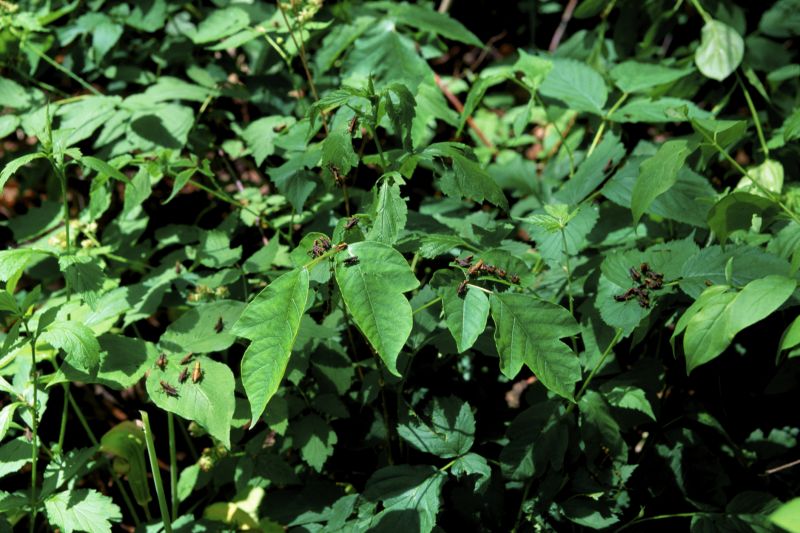
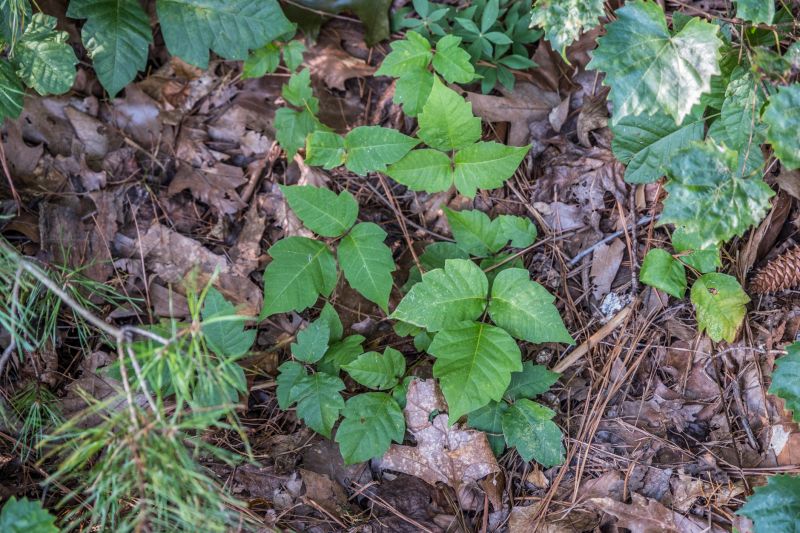
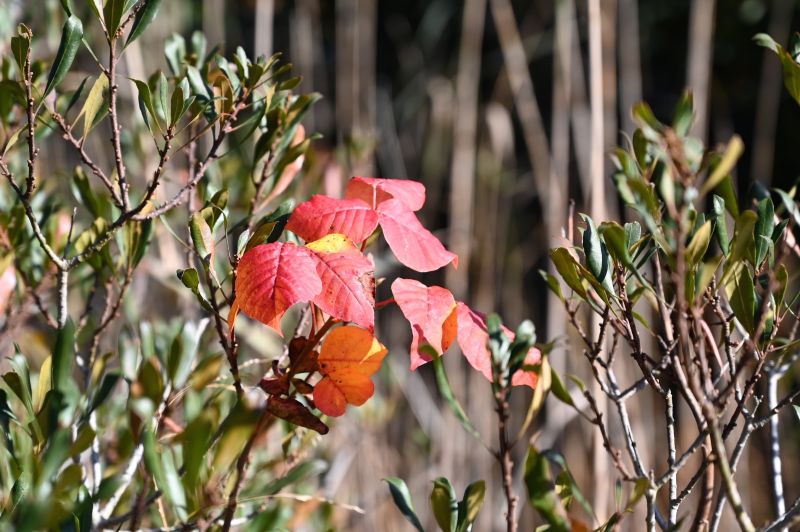
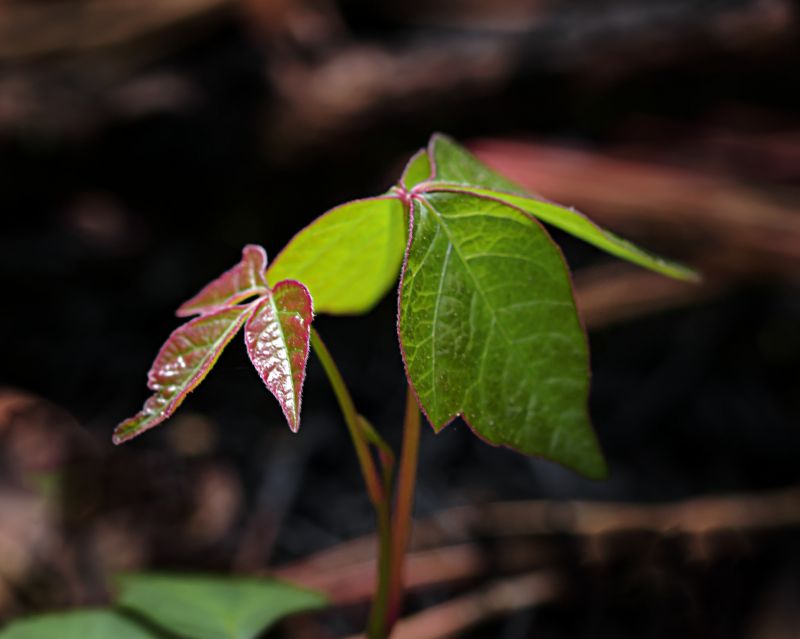
Poison Oak Identification
Recognizing poison oak is essential to prevent skin irritation and exposure.
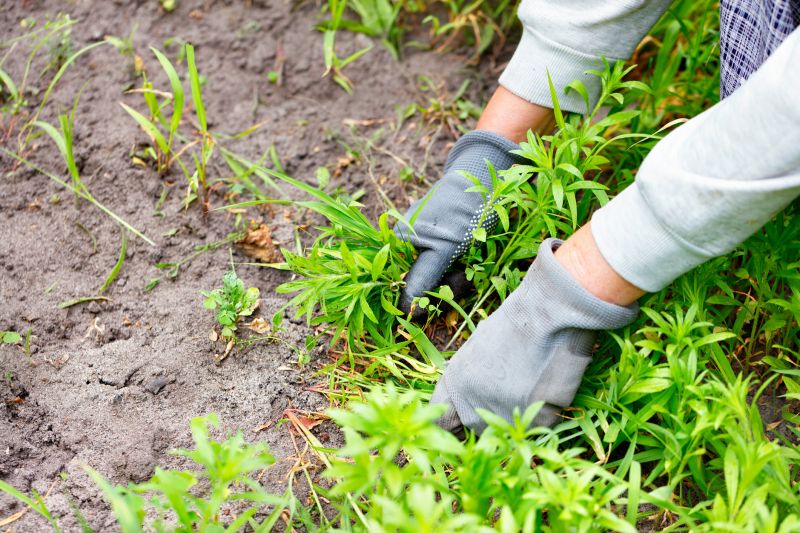
Safe Removal Techniques
Proper removal methods help ensure the plant is completely cleared without spreading its oils.
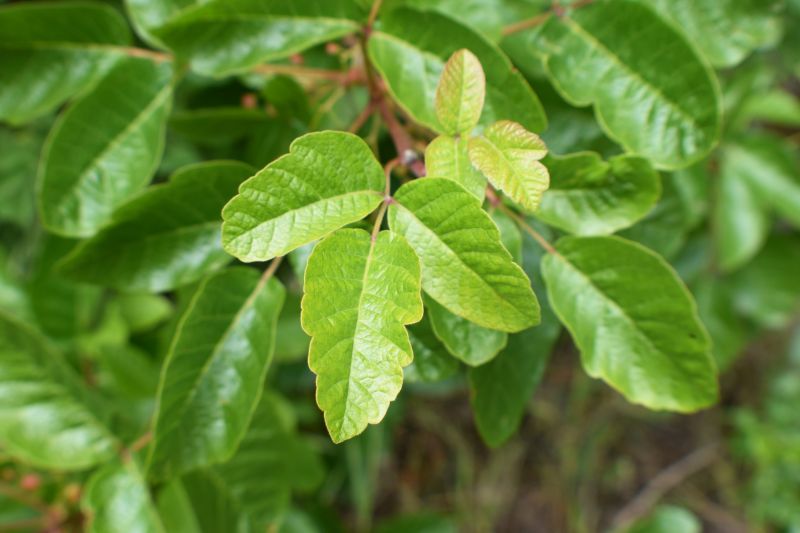
Property Maintenance Tips
Regular clearing of poison oak reduces health risks and keeps outdoor spaces safe for families.
Poison Oak Removal in Bucks County, PA

Poison oak removal services are designed to safely eliminate this hazardous plant from residential properties, helping homeowners maintain a safe outdoor environment. These services typically cover projects such as clearing poison oak from yards, garden areas, fences, and around outdoor structures. Property owners often seek removal to prevent skin irritation, especially if children or pets frequent the area, or to improve the overall appearance of the landscape by removing invasive plants that can spread quickly if left unmanaged.
Before requesting poison oak removal, property owners usually want to understand the scope of the work involved, including the methods used to safely identify and eradicate the plant. It’s also helpful to know whether the removal process includes disposal of the plant material to prevent regrowth or spreading. Clarifying these details can ensure the project aligns with safety needs and landscape goals, providing peace of mind during the process of making outdoor spaces safer and more enjoyable.
Many property owners in Bucks County, PA look into Poison Oak Removal for repairs, replacements, upgrades, and appearance-related improvements.
Common Poison Oak Removal Jobs
Poison Oak Removal - safely eliminates poison oak from residential and commercial properties.
Land Clearing - removes poison oak along with other unwanted vegetation from large areas.
Yard Cleanup - clears poison oak from lawns, gardens, and landscaped spaces.
Brush Removal - targets poison oak growth in overgrown or neglected areas.
Property Maintenance - prevents poison oak from spreading through regular removal efforts.
Hazardous Plant Removal - addresses poison oak that poses health risks to residents and visitors.
Poison Oak Removal Questions
What is poison oak removal? Poison oak removal involves safely eliminating the plant from properties to prevent skin irritation and exposure.
When should poison oak be removed? Removal is recommended when poison oak is growing in areas accessible to people or pets, especially near yards and pathways.
What methods are used for poison oak removal? Techniques include manual pulling, cutting, and applying herbicides to effectively eliminate the plant.
Is professional poison oak removal necessary? Professional removal ensures safe and thorough elimination, reducing the risk of skin contact and regrowth.
Request Poison Oak Removal in Bucks County, PA
Use the quote form on this page to share the basics of your project and request more information for the type of work you need.